

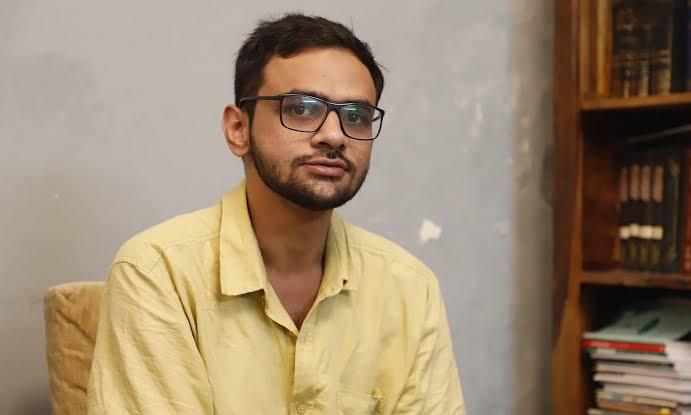
The Delhi High Court addressed a significant legal matter on Friday, requesting the Delhi Police’s stance on activist Umar Khalid’s bail plea. This plea relates to allegations under the Unlawful Activities (Prevention) Act (UAPA) concerning the ‘larger conspiracy’ behind the February 2020 riots in north-east Delhi that resulted in 53 deaths and over 700 injuries.
A bench comprising Justices Prathiba M Singh and Vikas Mahajan issued a notice to the Delhi Police, directing them to submit a response within two weeks.
Khalid’s attorney emphasized that the current bail application marks the activist’s third attempt since his arrest. Furthermore, Khalid seeks interim bail pending this ongoing case.
The bench confirmed it would discuss Khalid’s plea on August 27, coinciding with the bail application of co-accused Sharjeel Imam. The co-accused’s situation remains notably intertwined with Khalid’s legal battle.
Following his arrest in September 2020, Khalid faces serious allegations. The Delhi Police has charged him under the UAPA, asserting he played a key role in orchestrating the riots, which ignited amidst widespread protests against the Citizenship (Amendment) Act (CAA), 2019, and the National Register of Citizens (NRC).
Prominent activists, including Sharjeel Imam, Khalid Saifi, and former AAP councillor Tahir Hussain, are also implicated in this ongoing investigation led by the Special Cell of the Delhi Police. These cases form part of what officials refer to as a larger conspiracy to incite violence during the protests.
On July 4, a trial court dismissed Khalid’s previous bail application, asserting it had “no option but to follow” a Supreme Court order issued on January 5. This ruling prevented the trial court from entertaining the bail plea or granting Khalid any relief.
On September 2, 2025, a division bench of the High Court also denied bail to Khalid. The Supreme Court upheld this decision on January 5 but granted bail to co-accused individuals such as Gulfisha Fatima and Meeran Haider. The court maintained that there was strong prima facie evidence against Khalid and Imam under the UAPA, emphasizing that not all accused could be treated equally due to the varying levels of participation in the alleged conspiracy.
The legal proceedings surrounding Khalid’s case reflect ongoing tensions concerning civil rights in India, particularly regarding the protests against controversial citizenship laws. With the Delhi Police now required to respond to the court’s request, this case continues to capture widespread attention.