

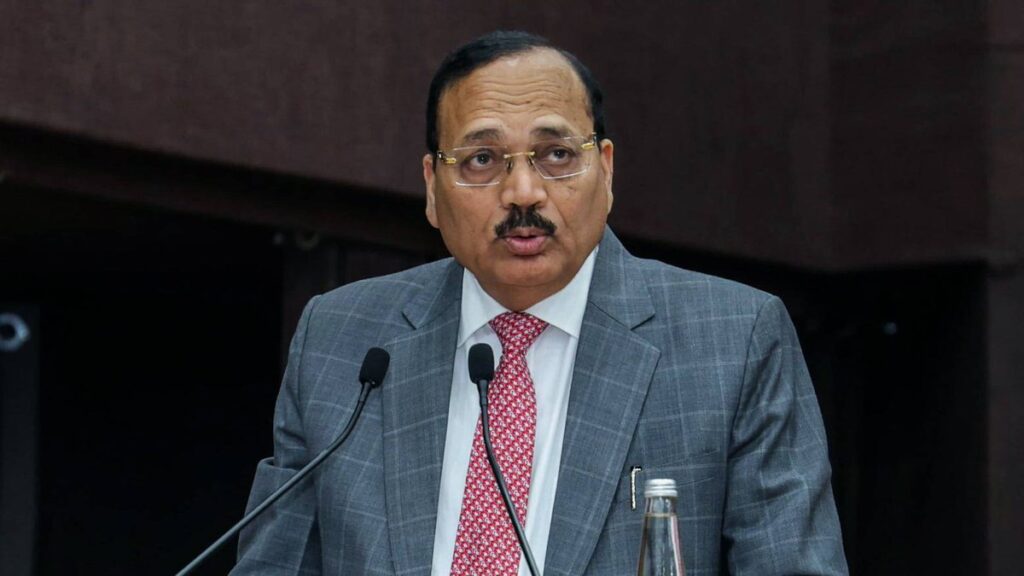
The Supreme Court of India, led by Chief Justice Surya Kant, on Wednesday declined to grant an urgent hearing on a plea concerning police action during a student protest at Jantar Mantar. The protest, organized by the Cockroach Janta Party (CJP), highlighted grievances regarding the alleged NEET-UG 2026 paper leak.
The petitioner’s counsel sought an immediate intervention by the court, emphasizing the critical nature of the issues raised, which included the integrity of the examination process conducted by the National Testing Agency (NTA) and calls for substantial reforms. However, the Chief Justice firmly dismissed the request, stating, “Don’t waste our time, and don’t waste your time.”
As the counsel attempted to present evidence of police misconduct through videos showing their actions against the protesters, Justice Surya Kant reiterated the court’s disinterest, saying, “We are not interested in videos; we don’t have time to watch.” This response reflects a broader tension regarding the rights of citizens to peacefully assemble and voice their concerns.
The Delhi High Court’s recent decision to also deny an urgent hearing on a related matter adds another layer to the contentious backdrop surrounding this situation. The combined rejections from both courts cast doubts on the judicial system’s responsiveness to student-led civil movements in India.
Protesters have claimed that their demonstrations stem from legitimate public grievances concerning the alleged NEET-UG 2026 paper leak. The CJP has been at the forefront of advocacy, demanding not only the resignation of Union Education Minister Dharmendra Pradhan but also swift reforms within the NTA. Tensions escalated during a march towards Parliament, which resulted in reported clashes with police and allegations of excessive force, leading to numerous detentions.
Significantly, while the Supreme Court’s observations focused solely on the request for urgent hearing, they did not address the substantive issues of excessive police force or the allegations of administrative failures surrounding the NEET-UG examination. Observers note that the courts’ dismissal of these pleas highlights a potential reluctance to engage with student movements, raising concerns about freedom of expression and the right to protest in India.
The implications of these decisions resonate loudly in a climate fraught with academic pressures and increasing scrutiny over examination practices, illustrating the challenging balance between maintaining order and upholding democratic rights. As students continue to rally for accountability and transparency, the dialogues surrounding educational reform persist, keeping the focus on the systemic changes that many deem necessary.
In summary, the refusal by the Supreme Court to address the urgent plea underscores a critical moment for student activism in India, as young voices advocate for their rights and demand a reconsideration of the policies affecting their education.